
- 68%Melbourne corporates now specify plant-forward options at events (Foodservice Australia, 2025)
- $22–$38Per-head price range for premium salad catering packages in Melbourne CBD
- 3×Growth in build-your-own salad bar bookings among Melbourne venues since 2022
- 95%Of Melbourne caterers now offer at least one vegan salad option as standard
Why Melbourne Businesses Are Embracing Salad Catering
The shift is not simply about health consciousness — though that is certainly part of it. Melbourne's corporate culture has evolved to reflect the city's broader identity as a food-forward destination, one that the Melbourne Food & Wine Festival has championed for three decades. Employees and clients increasingly judge an organisation's values through the food it serves. Ordering a thoughtful, locally sourced salad spread signals care for staff wellbeing and environmental responsibility in a way that a tray of sandwiches simply does not.
Victoria's Food Act 1984 and subsequent amendments set rigorous temperature and food-handling standards for commercial caterers operating across Greater Melbourne. Reputable salad caterers comply with these requirements by maintaining cold-chain integrity from their commercial kitchens through to service — a detail worth verifying when vetting any supplier.
The Salad Catering Formats Trending Across Melbourne in 2026
The Build-Your-Own Grain Bowl Bar
The grain bowl station has become the most requested format for Melbourne CBD office lunches. A base layer of brown rice, farro, or quinoa (sourced from Victorian producers such as PureHarvest) is paired with rotating protein options — typically grilled chicken, house-made falafel, and seared halloumi — and finished with pickled vegetables, roasted seeds, and tahini-based dressings. The format works exceptionally well for groups of 20 to 150 because it accommodates dietary preferences without requiring separate menus, and it creates an interactive experience that passive platters cannot replicate.
The Elevated Grazing Salad Table
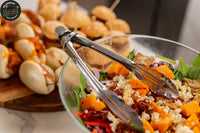
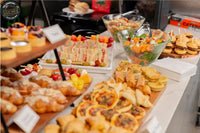
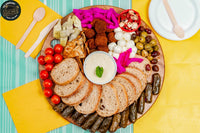
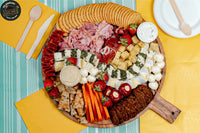
Grazing tables took hold during Melbourne's post-pandemic event revival, but the 2026 iteration is far more structured than the cheese-and-charcuterie boards of 2021. Contemporary grazing salad tables feature four to six composed salads arranged in shallow serving vessels — think a roasted heirloom tomato panzanella, a charred broccolini and almond salad, and a Vietnamese-inspired slaw with lotus root and fresh herbs — alongside artisan bread and dips. This format suits product launches, client appreciation events, and end-of-financial-year celebrations in the $3,000–$8,000 spend bracket.
The Seasonal Jar Salad
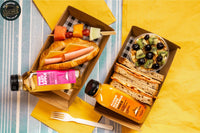
For individually portioned corporate lunches — particularly popular with Melbourne's financial and legal sectors — the layered jar salad has overtaken the traditional boxed lunch. Sealed glass jars or compostable containers are layered strategically: dressing at the base, dense grains and proteins in the middle, and delicate greens on top. This format travels well across the CBD, Docklands, and Southbank and eliminates the cross-contamination risks associated with shared platters in open-plan offices.
The Hot-and-Cold Hybrid Station
Melbourne winters make purely cold salad catering a hard sell between June and August. The hot-and-cold hybrid station addresses this by pairing a roasted vegetable tray — often featuring Gippsland sweet potato, cauliflower, and Brussels sprouts — with a chilled green salad and warm grain option. Positioned over induction warmers, the roasted elements are served restaurant-quality, while the chilled components stay crisp under refrigerated displays. It is the format growing fastest in Richmond, Fitzroy, and Collingwood creative studios seeking something more substantial than a cold buffet in winter months.
What to Expect From Pricing in 2026
| Format | Per-Head Cost | Best Suited For |
|---|---|---|
| Seasonal jar salads (delivered) | $22 – $28 | Working lunches, 10–50 guests |
| Build-your-own grain bowl bar | $28 – $38 | Corporate lunches, 30–150 guests |
| Elevated grazing salad table | $32 – $45 | Client events, launches, 40–120 guests |
| Hot-and-cold hybrid station | $35 – $50 | Conferences, year-round, 50–200 guests |
Frequently Asked Questions
Q1. How much notice does a Melbourne salad caterer typically need?
Most established Melbourne salad caterers require a minimum of 48 hours for weekday corporate orders and at least five business days for weekend events or orders exceeding 100 guests. Bespoke menus featuring seasonal produce may require a week or more to source and confirm. Always confirm lead times in writing when signing a catering agreement.
Q2. Can salad catering work for large outdoor events in Melbourne?
Yes, provided the caterer has appropriate refrigerated transport and compliant cool-holding equipment on site. Victoria's Food Act 1984 requires perishable food to be held below 5°C, so outdoor summer events in suburbs like St Kilda or Williamstown require proper cold-chain management. Ask your caterer for their food safety plan before signing a contract for any outdoor summer event.
Q3. Are gluten-free and vegan options standard with Melbourne salad caterers?
In 2026, the vast majority of Melbourne's corporate salad caterers include at least one certified gluten-free and one fully vegan option as part of their standard packages. If a guest has a coeliac diagnosis rather than a gluten preference, cross-contamination protocols become critical — always disclose this to your caterer well in advance and request written confirmation of how the allergy is managed.
Q4. What is the minimum order size for salad catering in Melbourne?
Minimum order sizes vary by supplier. Many CBD-based caterers set a minimum spend of $400–$600 for delivered jar salads or platter orders, while staffed stations typically require a minimum of 40 guests to be cost-effective. Some caterers in the inner-north — Fitzroy, Collingwood, Brunswick — offer smaller community-focused orders without a high minimum, making them better suited to small team lunches of 10 to 20 people.
Choosing the Right Salad Caterer for Your Melbourne Event
The most important factors beyond price are food safety certification, seasonal sourcing transparency, and dietary accommodation capacity. Request a copy of your caterer's current Food Business Registration under the Food Act 1984, ask specifically about their cold-chain management for your venue, and confirm whether allergens are managed in a dedicated kitchen or a shared facility. A caterer worth hiring will answer these questions confidently and in writing — without prompting.